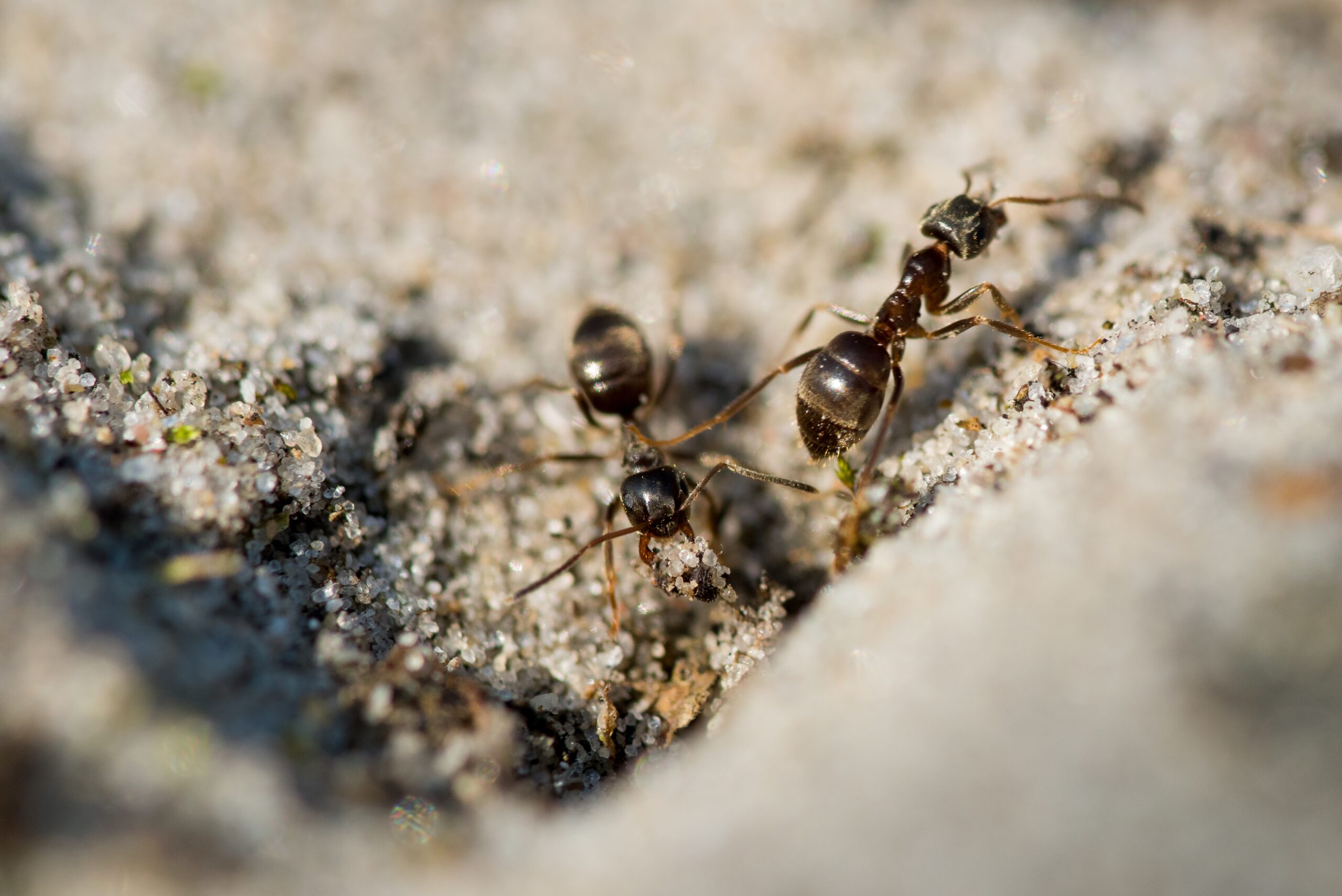
When we imagine models of leadership and collaboration, ants may not be the first creatures that come to mind. Yet these tiny insects demonstrate the kind of efficiency and resilience that many organizations strive for. They thrive not because of individual strength, but because of how they work together. By observing an ant colony, we can uncover timeless lessons about what makes teams successful in complex, changing environments.
At the heart of every colony is a system built on trust, shared responsibility, and clarity of roles. Ants don’t waste energy second-guessing each other. Instead, they rely on instinctive communication loops, short signals that guide action and align the group. When one ant discovers a food source, others quickly respond, following the signal with confidence. In human terms, this is what happens when teams close the loop: giving feedback, confirming understanding, and executing with precision. It’s not glamorous, but it’s what keeps things moving forward without friction.
Leadership in this context isn’t about controlling every move. No single ant dictates every action. Instead, leadership emerges through coordination, an ability to recognize needs, direct energy where it matters, and then step aside so others can contribute. For organizations, this kind of leadership is transformational. It shifts the focus from micromanagement to creating conditions where people can take initiative, contribute their strengths, and move as one.
This is where archetypes become essential. Just as ants naturally fall into roles, explorers who seek out opportunities, carriers who move resources, defenders who protect, the same is true for human teams. Every individual brings a distinct pattern of behavior and energy. When leaders understand and leverage these archetypes, they don’t just assign tasks; they activate potential! A team that recognizes its own diversity of roles is more creative, more resilient, and far more effective.
But archetypes and coordination only work if individuals are willing to step forward. Ants don’t wait for permission to contribute. Initiative is built into their survival. For human teams, this translates into a culture where people feel empowered to act, speak up, and show assertiveness. When initiative is encouraged, projects don’t stall waiting for approvals. Ideas surface more quickly. Problems get solved before they escalate.
Of course, initiative means little without resilience. Ants encounter obstacles constantly; fallen branches, blocked paths, shifting terrain. Yet they rarely stop. They reroute, adapt, and persist until they reach their goal. The same persistence is essential for organizations navigating today’s challenges. Resilient teams understand that setbacks are part of the process. Instead of giving up, they find another way forward. And with strong communication, clear leadership, and a diversity of archetypes, they succeed together.
The brilliance of an ant colony lies not in any one element, but in how these elements merge. Trust fuels communication. Communication empowers leadership. Leadership recognizes archetypes. Archetypes activate initiative. Initiative, supported by resilience, drives results. When these forces combine, a group becomes far greater than the sum of its parts.
This is the lesson for modern organizations: success is not built on individual heroics, but on systems that enable people to work together seamlessly. By embracing these principles, leaders can cultivate teams that adapt, persevere, and achieve more than they thought possible. At Intention to Impact, we translate these insights into practice through leadership development, train-the-trainer programs, and team interventions. Just as ants show us, transformation doesn’t begin with systems; it begins with people!